There is a particular quality of stillness that only a dark room has. Not gloom — something closer to shelter. The kind of room that makes you lower your voice without knowing why.
Dark walls do something that pale walls can’t. They collapse the corners. They make the ceiling feel intentional. They turn a window into a frame, the light into an event rather than a given. A room painted in charcoal or forest green or deep plum doesn’t feel smaller — it feels held.
The shift started quietly, the way most shifts in taste do. A few interiors appearing in the right corners of Pinterest. Heritage English houses with their dark panelled hallways. Farmhouse kitchens where the walls had been painted so many times the colour had become part of the plaster. Rooms that looked like they had always been that colour, like the paint predated the furniture by decades.
What those rooms had in common wasn’t drama. It was settledness. An atmosphere that said nothing here is trying very hard.
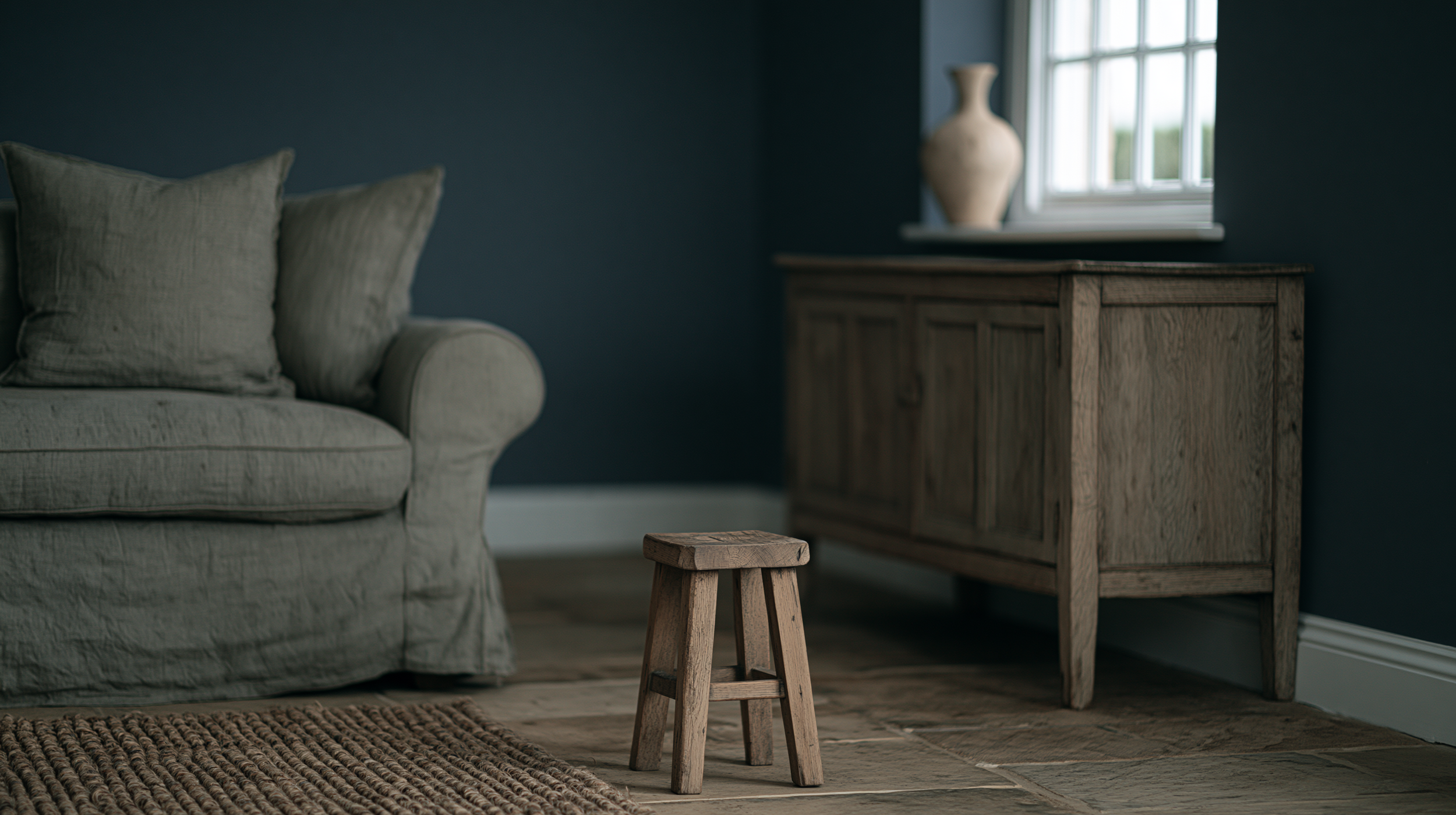
If you’re considering dark walls for the first time, the instinct is to start small — a bedroom, a reading corner. That instinct is right. A deep-toned room rewards slowness. It works best with natural light, with aged wood, with objects that have a surface worth looking at up close. Cast iron. Worn linen. Unglazed ceramic.
The objects matter as much as the colour. A bright white room forgives anything placed in it. A dark room does not — it asks that everything in it earn its place.
That is not a limitation. It is the point.
From the shop
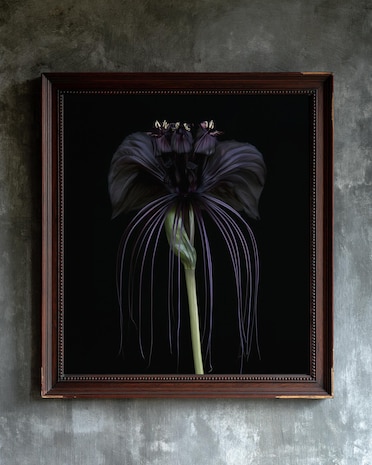
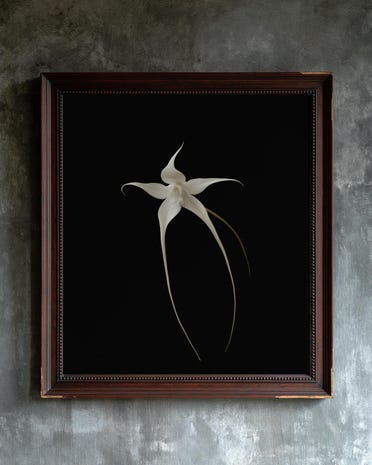
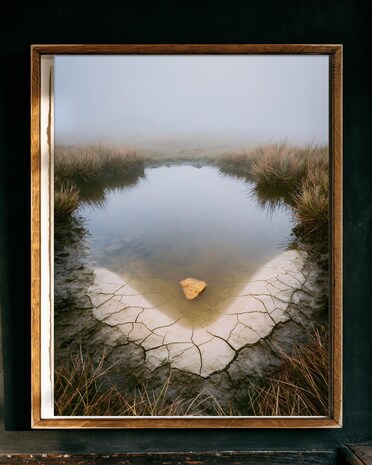
Prints from our own Duskwood Fell shop that suit this room. Instant digital downloads, printed at home or at any print shop.