Cast iron does not look new. That is the first thing to understand about it, and the reason it belongs in a certain kind of kitchen.
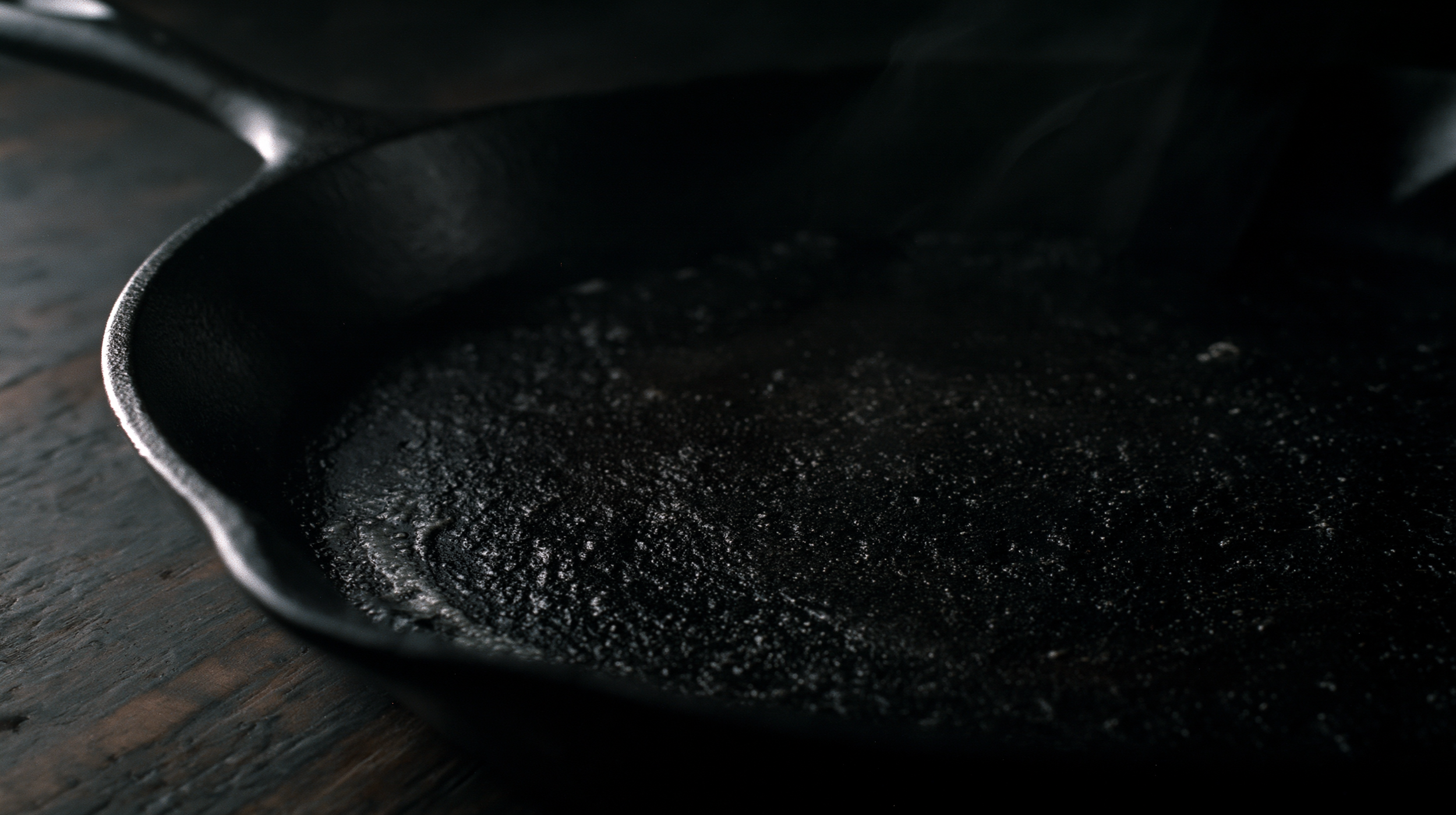
A well-used cast iron skillet carries its history on its surface. The seasoning built up over years of use — dark, almost black, with a slight sheen where the fat has polymerised into the iron. It is one of the few objects in a modern kitchen that looks better the older it gets.
The dark cottagecore kitchen is built around exactly this principle. Not newness, not the clean lines of a showroom, but the accumulated evidence of a kitchen that has been used. Worn quarry tiles. Dark painted walls with a scuff at the skirting board where the door catches. A range that has been lit and cooled ten thousand times.
Cast iron fits this kitchen because it belongs to it. It is heavy enough to anchor a room. It conducts heat slowly and evenly, the way old materials tend to — without drama, without urgency. You do not rush with cast iron. You lower the heat and wait.
There is also something to be said for what cast iron does not do. It does not rust if you dry it. It does not chip or scratch. It does not need to be replaced. A cast iron pan bought today, used regularly and dried properly, will be in the same kitchen in forty years. That kind of permanence is increasingly unusual.
For the dark cottagecore kitchen, cast iron is not a trend. It is the logical object for a space that values age over novelty, weight over lightness, and the kind of beauty that comes from being used rather than displayed.
From the shop
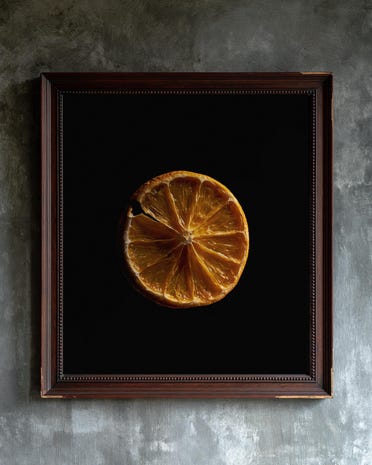
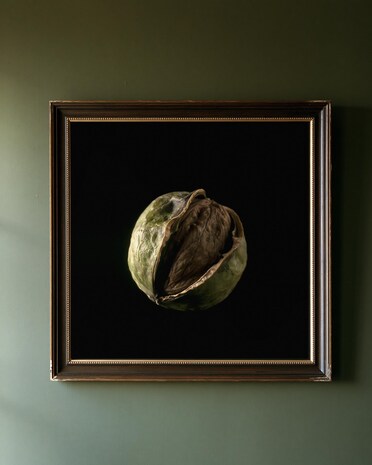
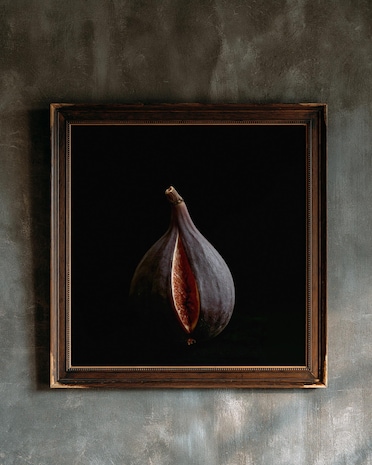
Prints from our own Duskwood Fell shop that suit this room. Instant digital downloads, printed at home or at any print shop.